The world is changing faster than ever before. New technologies, evolving industries, and changing workplace expectations are influencing how people live and work. In this environment, education is no longer limited to schools, colleges, or universities. People increasingly need to continue learning throughout their lives to remain adaptable, develop new abilities, and discover fresh opportunities.
Lifelong learning is the continuous process of gaining knowledge and improving skills at different stages of life. It can take many forms, including professional training, reading, online courses, personal projects, and practical experiences. By developing a habit of continuous learning, individuals can become more confident, independent, and prepared for future challenges.
Understanding the Concept of Lifelong Learning
Lifelong learning involves an ongoing commitment to personal and professional development. Unlike traditional education, which often follows a fixed curriculum, continuous learning allows individuals to explore subjects according to their interests, goals, and changing circumstances.
For example, a university graduate might study digital marketing to expand career opportunities. An experienced professional could learn a new language to communicate with international clients. Someone interested in personal development might explore psychology, financial literacy, or creative writing.
These activities demonstrate that learning does not have a single starting point or final destination. People can develop new knowledge at almost any age and apply it to different areas of their lives.
Adapting to Changes in the Modern Workplace
Professional environments are constantly evolving. Automation, artificial intelligence, digital communication, and new business models are changing the responsibilities of employees across many industries.
Skills that were valuable several years ago may require regular updates as technology and workplace expectations develop.
Lifelong learning helps professionals respond to these changes. Employees who participate in training programs, explore emerging tools, and improve their industry knowledge may find it easier to adjust to new responsibilities.
For instance, marketing professionals can benefit from understanding modern analytics platforms and changing digital communication strategies. Similarly, employees in business operations may explore automation tools to improve productivity.
Continuous learning does not mean that everyone must become an expert in every new technology. Instead, it encourages individuals to remain curious and recognize opportunities to strengthen relevant skills.
Improving Career Opportunities
Learning new skills can create additional career opportunities and support long-term professional development.
Individuals who expand their knowledge may become qualified for responsibilities that were previously outside their experience. Professional certifications, specialized training, and practical projects can also help demonstrate competence in particular fields.
For people considering a career change, lifelong learning provides a structured way to explore unfamiliar industries. Someone with experience in administration, for example, might study project management or data analysis before pursuing a different professional direction.
However, career development involves more than collecting certificates. Applying knowledge through practical activities, building professional relationships, and developing communication skills are equally important.
A consistent learning routine can help individuals identify realistic goals and make gradual progress toward their ambitions.
Building Confidence and Independence
Learning something new can strengthen confidence by demonstrating that personal abilities can develop through practice and effort.
When individuals successfully understand an unfamiliar concept or complete a challenging project, they gain a stronger sense of their capacity to solve problems.
This confidence can influence other areas of life. A person who learns to manage a personal budget may feel more comfortable making financial decisions. Someone who studies public speaking may become more confident when presenting ideas at work or participating in community activities.
Lifelong learning also encourages independence. Instead of depending entirely on others for information, individuals develop the ability to research subjects, evaluate resources, and find solutions to everyday challenges.
These habits are particularly valuable in situations where circumstances change unexpectedly.
Supporting Personal Growth and Creativity
Education can contribute to personal development even when it has no direct connection to professional goals.
Learning about history, science, literature, art, or different cultures can introduce new perspectives and encourage individuals to think more creatively.
Creative activities such as photography, music, cooking, and writing also offer opportunities to develop patience and practical abilities.
Exploring unfamiliar subjects can inspire people to connect ideas from different areas. For example, someone studying architecture might discover useful insights through art history, environmental science, and sustainable design.
These connections can encourage original thinking and make everyday experiences more interesting.
Personal learning can also provide a meaningful way to spend free time. Rather than treating education as a requirement limited to formal institutions, individuals can approach it as an enjoyable part of daily life.
The Role of Technology in Continuous Education
Technology has made lifelong learning more accessible by providing educational resources beyond traditional classrooms.
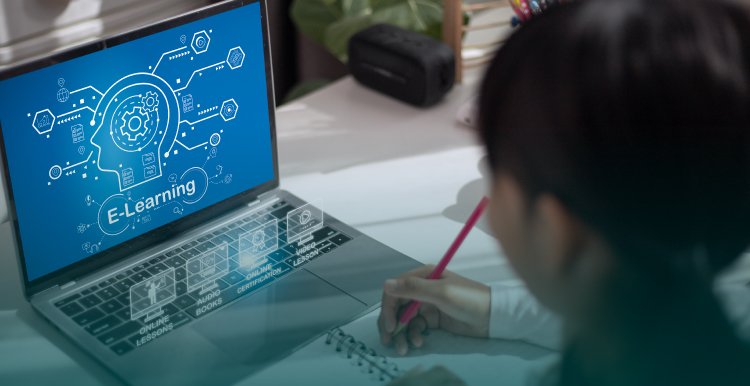
Online learning platforms, digital libraries, instructional videos, and virtual workshops allow people to explore a wide range of subjects from home or during their free time.
Professionals can participate in short courses without necessarily leaving their jobs. Students can supplement university studies with additional learning materials, while retired individuals can explore interests they did not have time to pursue earlier.
Digital communities also create opportunities to exchange ideas, ask questions, and receive feedback from people with different experiences.
However, learners should select reliable resources and avoid becoming overwhelmed by the enormous amount of information available online.
Setting clear learning objectives and following a realistic schedule can make digital education more productive.
Developing Better Problem-Solving Skills
Continuous learning can improve how individuals approach unfamiliar situations.
When people explore different subjects and experiences, they encounter new methods of analyzing information and solving problems.
For example, learning basic financial management can help someone compare expenses, evaluate savings options, and organize household budgets. Studying communication techniques can improve the way people handle disagreements and negotiate solutions.
Professional learning can also introduce new approaches to workplace challenges. Employees who understand different management methods may identify more efficient ways to organize projects or coordinate teams.
The ability to learn from mistakes is another important part of this process. Reflecting on unsuccessful attempts can reveal knowledge gaps and encourage individuals to explore alternative strategies.
Over time, these experiences can support more thoughtful decision-making.
Overcoming Common Learning Challenges
Although lifelong learning offers many benefits, maintaining consistent progress can be difficult.
Busy schedules, financial limitations, family responsibilities, and a lack of motivation may prevent people from pursuing educational goals.
One practical solution is to begin with manageable learning activities. Studying for 20 minutes each day, completing one short lesson per week, or reading a few pages of a useful book can create a sustainable routine.
Choosing subjects that connect with personal interests can also improve motivation. Learning becomes easier to maintain when individuals understand why a particular topic matters to them.
It is equally important to recognize that progress does not always happen quickly. Some abilities require repeated practice and patience.
Instead of comparing their progress with others, learners should focus on gradual improvement and celebrate meaningful milestones.
Conclusion
Lifelong learning has become increasingly important in a world shaped by technological development, changing industries, and new professional expectations. It helps individuals adapt to workplace changes, explore career opportunities, and develop confidence in their abilities.
Beyond professional advantages, continuous education encourages creativity, independent thinking, and personal fulfillment. Technology has made learning resources more accessible, while flexible study habits allow people to continue developing their knowledge alongside everyday responsibilities.
Ultimately, lifelong learning is not simply about acquiring more information. It is about maintaining curiosity, responding positively to change, and developing the skills needed to make informed decisions throughout life.