Technology has become an important part of modern education, changing how students learn, communicate, and prepare for their future careers. From digital classrooms to interactive learning platforms, technological developments are creating opportunities that were difficult to imagine just a few decades ago. Students can now access educational resources, connect with experts, and develop practical skills without being limited to traditional classroom environments.
As technology continues to advance, educational institutions are discovering new ways to support student development. These changes are not only improving access to information but also helping learners become more independent, creative, and adaptable.
Expanding Access to Educational Resources
One of the most significant advantages of educational technology is its ability to make learning resources more accessible. In the past, students often depended on physical libraries, printed textbooks, and classroom lectures to gain knowledge. Today, digital libraries, educational websites, and online learning platforms provide access to a much wider range of information.
Students can explore academic research, watch instructional videos, and participate in online courses from almost anywhere with an internet connection. This flexibility is especially valuable for learners who live far from educational institutions or have limited access to specialized subjects.
Digital resources also allow students to revisit difficult concepts whenever necessary. Instead of relying entirely on classroom explanations, learners can explore alternative teaching materials and study at a pace that suits their needs.
Creating New Opportunities Through Online Learning
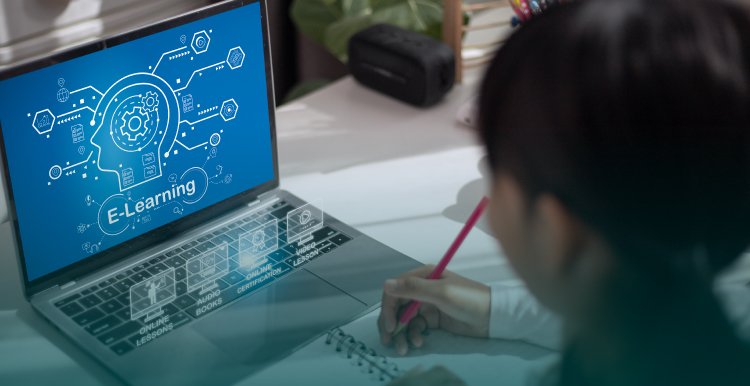
Online learning has transformed the educational experience by offering flexible study options. Students can enroll in virtual courses, attend recorded lectures, and participate in digital discussions without always needing to travel to a physical campus.
This flexibility allows learners to balance education with employment, family responsibilities, and personal interests. It also creates opportunities for students to explore subjects that may not be available at their local institutions.
Many online platforms offer courses in programming, digital marketing, business management, graphic design, and other professional fields. Students can use these resources to explore career interests and develop skills that complement their academic qualifications.
Online learning can also encourage students to become more responsible for their own progress. Managing deadlines, organizing study schedules, and completing independent assignments help learners develop valuable habits.
Improving Creativity and Innovation
Technology gives students new tools to express ideas and explore creative solutions. Digital design applications, video editing software, programming environments, and multimedia platforms allow learners to turn concepts into practical projects.
For example, students interested in environmental science can create digital presentations explaining sustainability challenges. Engineering students can use design software to develop prototypes, while learners studying communication can produce podcasts or educational videos.
These activities encourage experimentation and help students connect theoretical knowledge with practical applications.
Technology also supports collaborative creativity. Students can work together on shared documents, digital presentations, and online projects even when they are studying in different locations.
By combining technical tools with imagination, educational technology can help learners develop confidence in their ability to create original work.
Developing Essential Digital Skills
Digital skills are increasingly valuable in modern workplaces. Many industries rely on digital communication, data management, online collaboration, and specialized software.
Educational technology gives students opportunities to become familiar with these tools before entering professional environments.
Working with spreadsheets can improve data organization skills. Creating digital presentations helps students communicate information clearly, while using online research platforms teaches them how to locate and evaluate reliable sources.
Students can also explore basic programming, cybersecurity awareness, and artificial intelligence applications through educational resources.
Developing these abilities can make learners more comfortable with changing technologies and better prepared to explore different career opportunities.
Supporting Personalized Learning
Every student has different interests, learning preferences, and academic strengths. Technology can help educational institutions provide learning experiences that respond more effectively to these differences.
Some digital platforms include practice exercises, progress reports, and interactive activities that allow students to identify areas where they need additional support.
Learners who understand a subject quickly may explore advanced materials, while those who find certain concepts challenging can revisit introductory lessons and complete additional exercises.
Teachers can also use digital assessment tools to understand student performance and identify topics that require further explanation.
Although technology cannot replace the judgment and personal guidance of educators, it can provide useful information that supports more thoughtful teaching decisions.
Encouraging Global Communication and Collaboration
Technology has made it easier for students to communicate with people from different countries, cultures, and academic backgrounds.
Virtual classrooms, international student forums, and collaborative online projects allow learners to exchange ideas without geographical limitations.
These experiences can improve communication skills while helping students understand different perspectives. Working with international classmates may also introduce learners to unfamiliar approaches to research, problem-solving, and creative thinking.
For students interested in international careers, this exposure can be especially useful. Learning how to communicate effectively across cultural and geographical boundaries is an important professional ability.
Online collaboration also encourages teamwork. Students must coordinate responsibilities, share information, and manage project deadlines to achieve common goals.
Exploring Career Opportunities Through Technology
Technology is opening doors to career paths that continue to evolve. Fields such as artificial intelligence, data analysis, software development, renewable energy technology, and digital media offer opportunities for individuals with relevant knowledge and skills.
Students can use online resources to explore these industries, understand professional requirements, and begin developing practical abilities.
Virtual internships, online workshops, and digital professional communities can also introduce learners to real-world work environments.
Building a portfolio of academic and personal projects is another useful way to demonstrate skills. Students interested in web development, graphic design, or digital content creation can showcase completed work to potential employers or clients.
Although technology cannot guarantee employment, it can help learners discover career interests and prepare for changing professional expectations.
Understanding the Challenges of Educational Technology
Despite its benefits, technology also introduces challenges that students and educational institutions must address.
Not every learner has access to reliable internet services, suitable devices, or quiet study environments. These differences can create unequal learning opportunities.
Digital distractions are another concern. Social media notifications, entertainment platforms, and excessive screen time can interfere with concentration.
Students must also understand online privacy, cybersecurity, and responsible technology use. Protecting personal information and evaluating digital content are essential skills in connected learning environments.
Educational institutions can help by providing digital literacy programs, technical support, and balanced learning strategies that combine online resources with direct interaction.
Conclusion
Technology is creating new opportunities for students by expanding access to educational resources, supporting creative projects, and introducing learners to valuable digital skills. Online learning and global collaboration are also making education more flexible and connected.
However, the greatest benefits emerge when technology is used with clear educational goals and effective teaching practices. Access, digital responsibility, and meaningful interaction remain essential considerations.
As technology continues to influence education and employment, students who combine technical knowledge with creativity, communication, and independent thinking will be better positioned to explore new academic and professional opportunities.